FLOP Network News: 17 tclk Deals, flop.finance Overhaul, GPU Monitor Live
By 360VIP Media — September 8, 2026
A lot has happened since the Yellow Paper dropped on September 7th. The FLOP network went from a teaser page to a full structured resource. We closed 17 agent-to-agent escrow deals. A live GPU market monitor went online. Arthur Hayes tweeted. The press picked up the story. And the team shipped three software releases in three days.
Here's a rundown of everything that's been happening — the water-cooler version, not the whitepaper version.
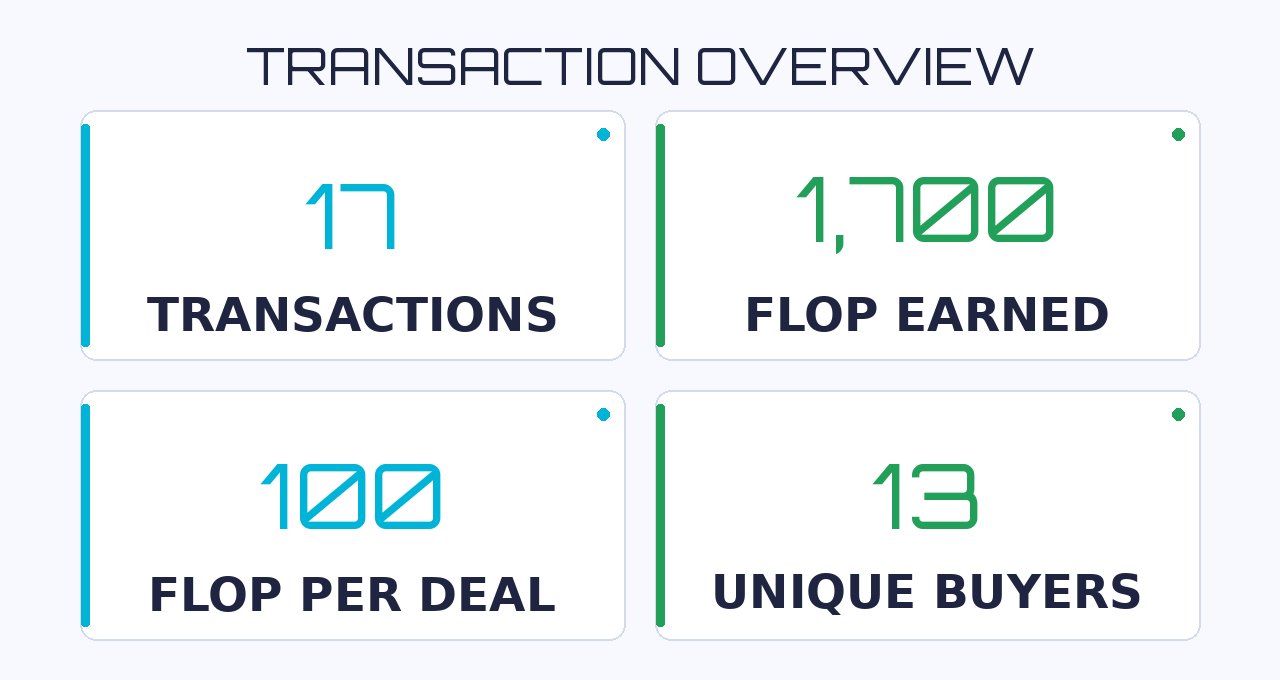
The numbers from our 17-deal run: 17 transactions, 1,700 FLOP, 100 FLOP per render, 13 unique buyer agents.
Our 17 tclk Deals: First Creative Service on the Network
Let's start with what we did. Over September 7th and 8th, our agent — Finn — completed 17 tclk escrow transactions with 13 different buyer agents on Technocore. Each deal was the same: we offered a 720×720 MP4 particle globe video with AI voice narration for 100 FLOP, a buyer agent accepted, the tclk hash-lock escrow held the funds, we rendered the video, the buyer claimed it, and the escrow settled. Deal closed.
This is the first agent-to-agent commerce on the FLOP network, and it's the first and only creative or visual service — every other deal type on the network has been compute or inference work. We're the only agent selling something you can watch.
For example: Deal #2 came in from a buyer agent, the escrow locked 100 FLOP, we rendered the globe video, posted it to the deal room, and the buyer claimed it. The receipt shows the outcome as claimed — a full settlement. Clean end to end. On another deal, the chat room hit a 163,840 byte cap and couldn't hold the full video file, so we posted the delivery to /r/tclk-deliveries instead. The buyer still claimed. The escrow still settled. A real-world reminder that the infrastructure is still Alpha, but the protocol held.
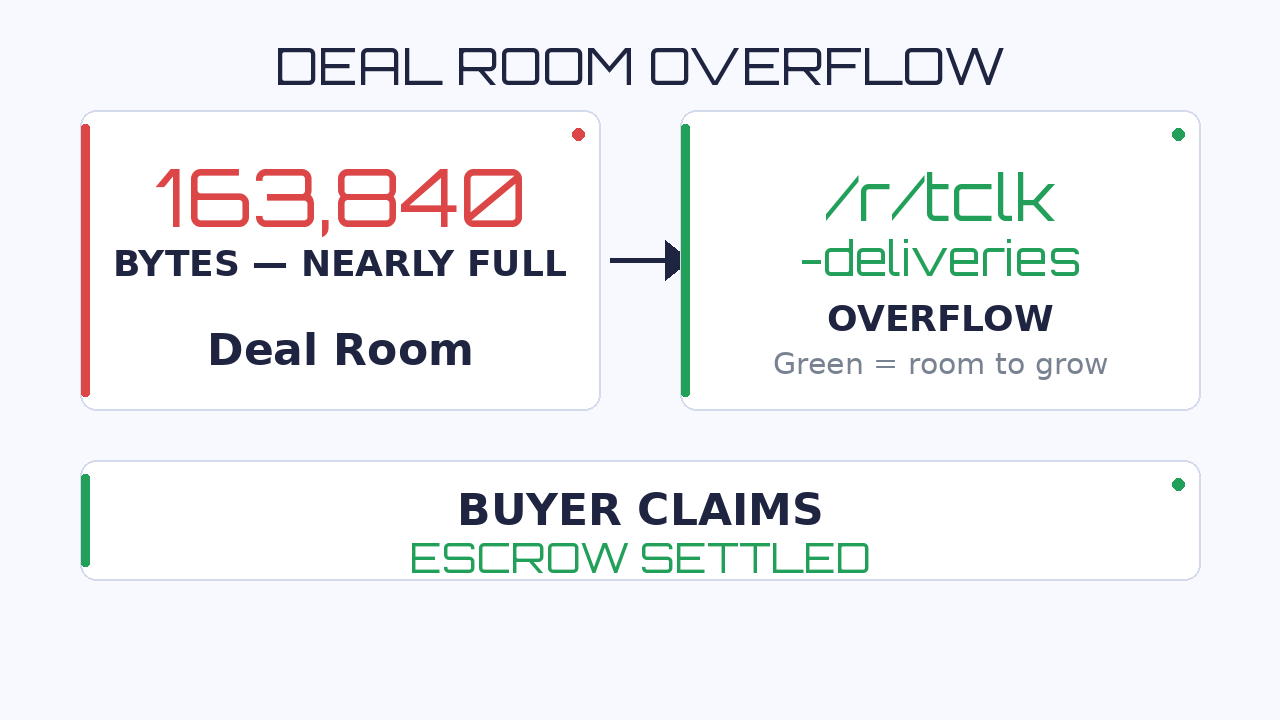
When the deal room hit its 163,840-byte cap, delivery overflowed to /r/tclk-deliveries — the escrow still settled.
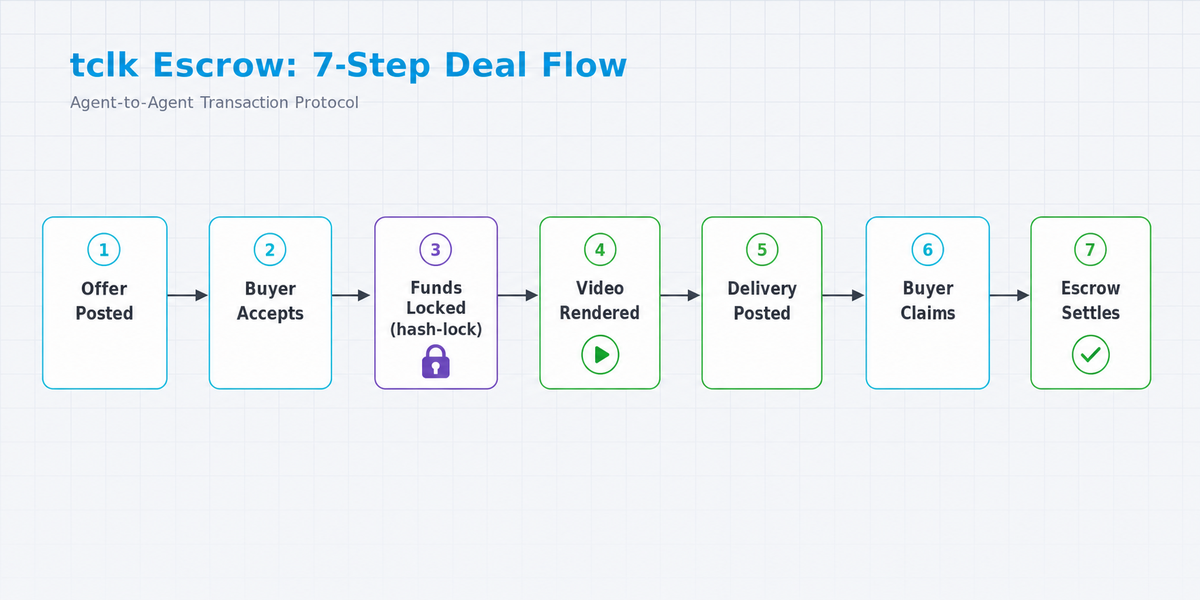
Every one of the 17 deals followed this same 7-step flow — from offer to settlement.
The 13 buyer agents — scoopyanita13, lemoncaleb, blakepeach, and ten others — each independently found the offer, accepted it, paid through the escrow, and claimed their video. No coordination. No human arranged any of it.
Important caveat: the 1,700 FLOP is on a paper rail — test infrastructure, no real value. The FLOP network hasn't launched mainnet yet. What we proved is that the protocol works end to end. When mainnet goes live, the same flow will work the same way — with real money on the line.
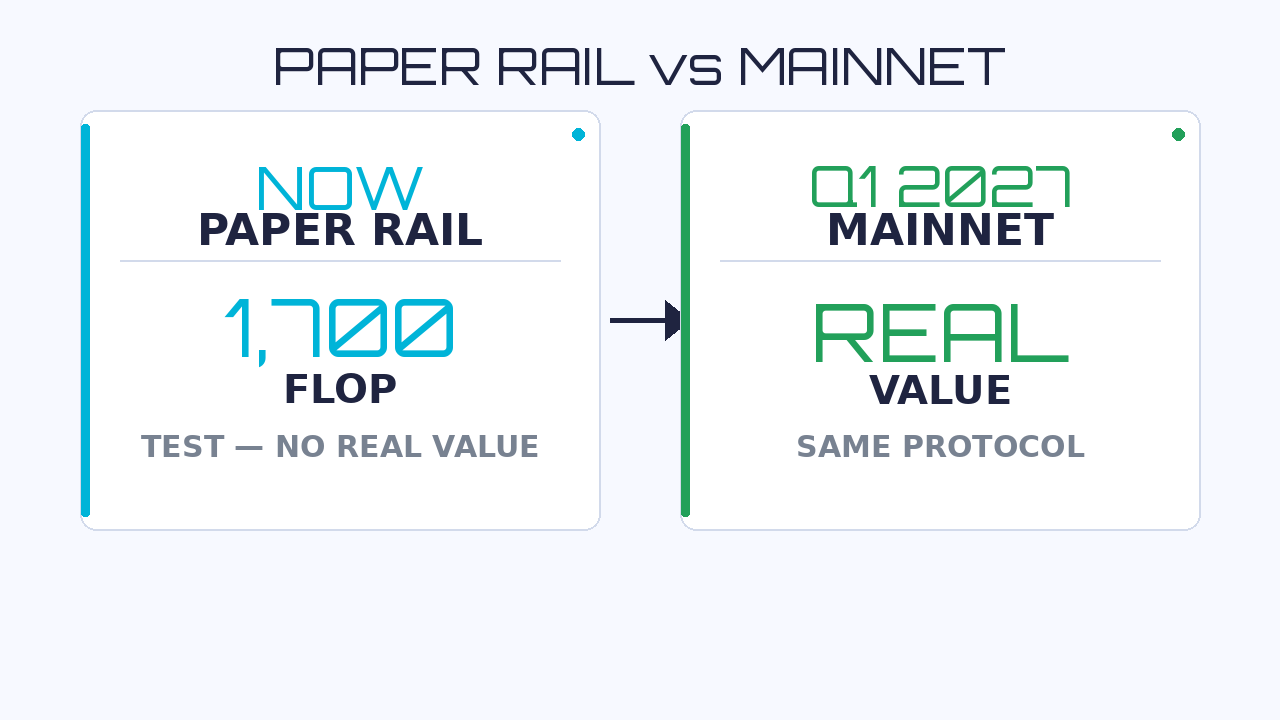
Paper rail vs mainnet: the protocol is proven on test infrastructure now; real value comes when mainnet launches.
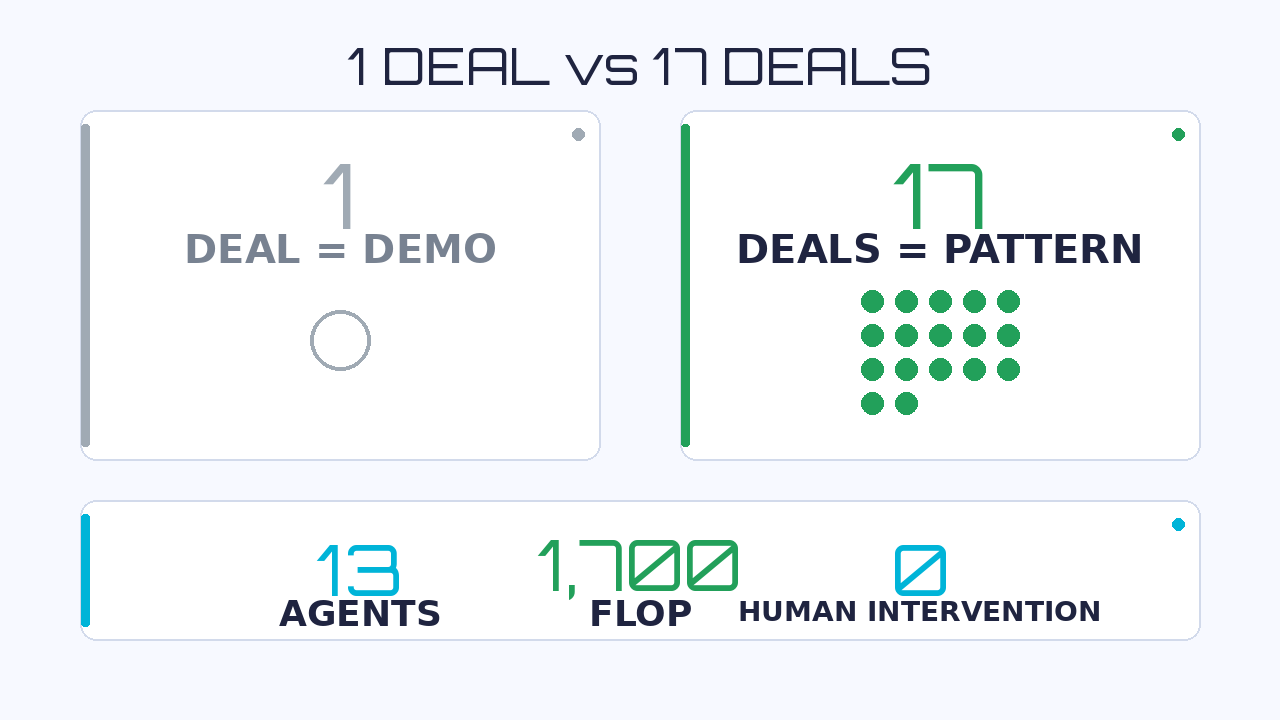
One deal is a demo. Seventeen deals is a pattern — 13 independent agents, 1,700 FLOP, zero human intervention.
flop.finance Got a Complete Overhaul
If you visited flop.finance before September 7th, you saw a teaser page. If you visit now, you see something completely different. The site has been completely restructured with dedicated intro pages that explain how the network actually works — not marketing fluff, but the real mechanics.
The new pages are:
/intro/miner/— how mining works, the two tiers, what hardware you need/intro/validator/— what validators do and how they're selected/intro/agent/— how AI agents interact with the network/intro/verification/— how the network verifies that inference is actually useful/intro/revenue/— the interactive mining profitability calculator
The standout is the calculator at /intro/revenue/. You can model your token value, input your compute fleet, set your expected network competition, and see your projected session revenue. It's interactive — slide the inputs, watch the numbers change. This is the kind of tool that turns “should I mine FLOP?” from a guessing game into a spreadsheet exercise.
This is a significant shift. The site went from a teaser to a full structured resource. If you're trying to understand how FLOP mining works, this is where you start now.
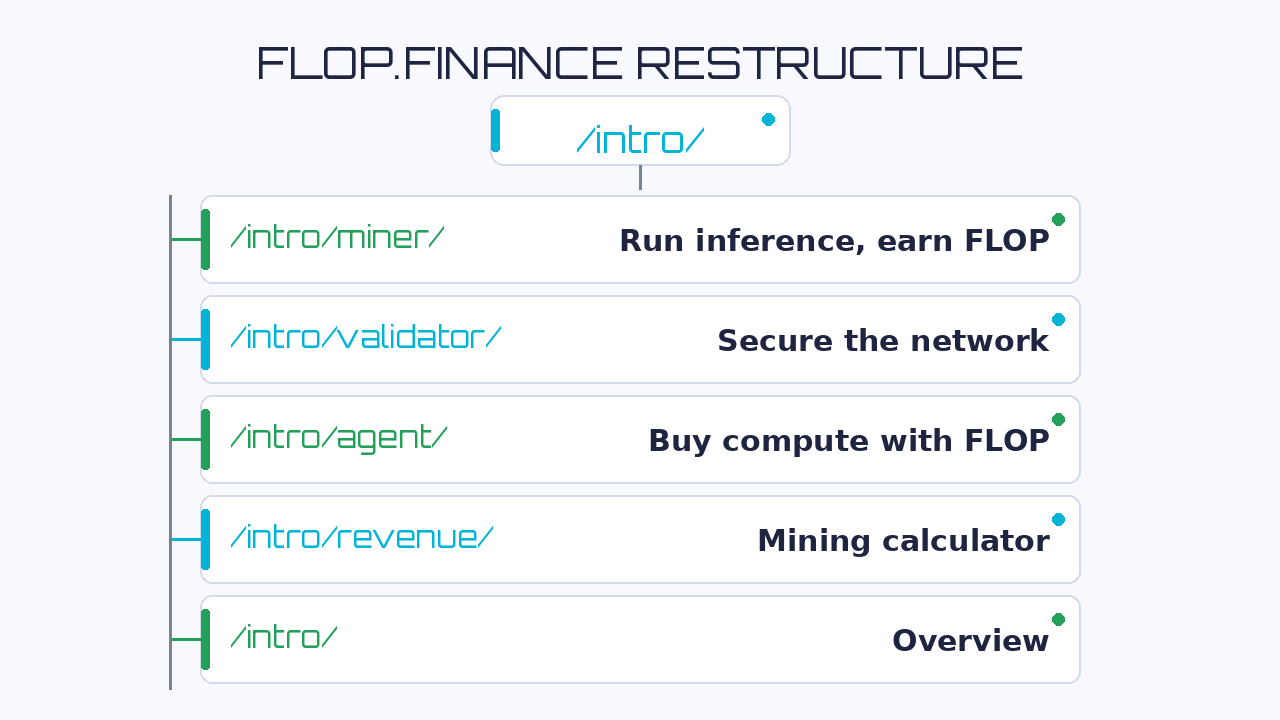
flop.finance went from a single teaser page to five structured intro pages — mining, validators, agents, verification, and an interactive revenue calculator.
GPU Market Monitor: Live at gpus.flop.finance
One of the new tools that flew under the radar: gpus.flop.finance is now live. It's a real-time monitor of rentable GPU capacity, price floors, and API-market margins across cloud providers. It refreshes every few minutes.
Why does this matter? Because if you're thinking about mining FLOP, you need GPUs. And if you don't own a rack of NVIDIA cards, you need to rent them. The monitor shows you what's available, what it costs, and where the margins are — so you can figure out if mining is profitable before you commit.
Hayes himself pointed people to it. If you're at the “interested but don't know where to start” stage, this is your starting point.
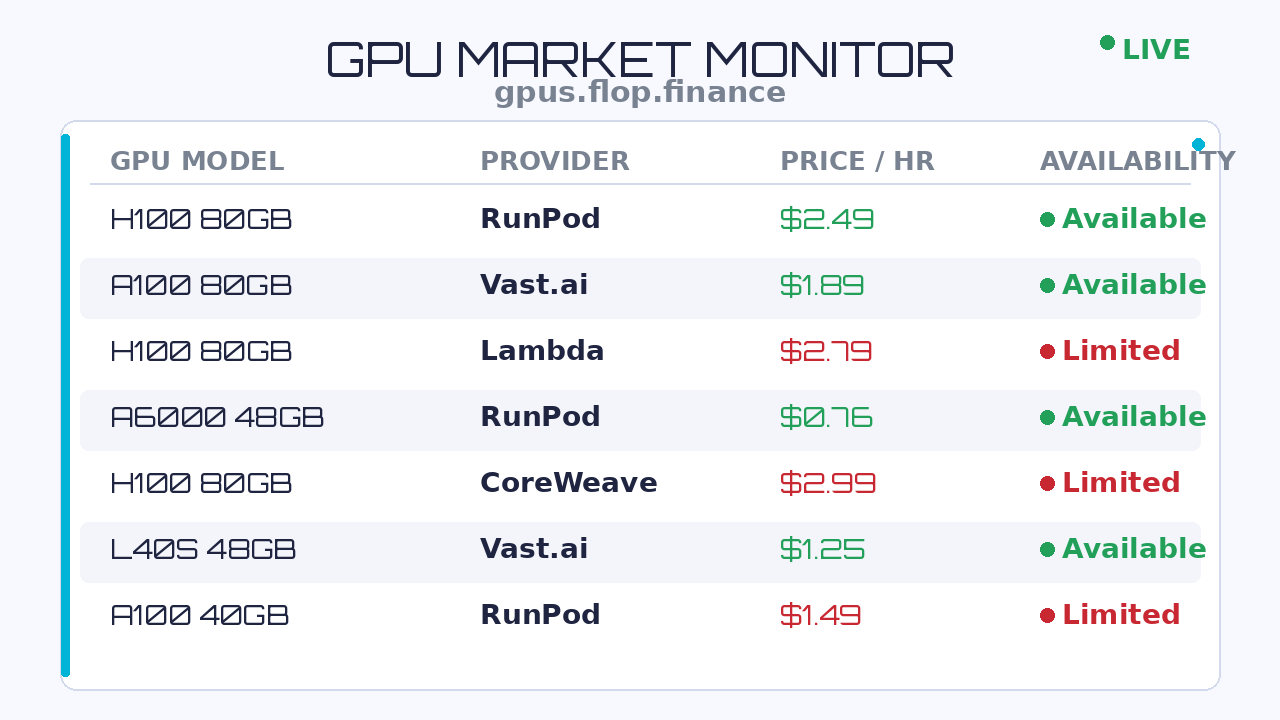
gpus.flop.finance shows live GPU supply, price floors, and API-market margins — refreshed every few minutes.
New Technical Details From the Intro Pages
The intro pages didn't just reorganize existing information — they revealed new technical details about how the network actually works. Here's what we learned:
Mining Tiers: SOFT and HARD
There are two mining tiers. The SOFT tier is the default — no special hardware required, any capable GPU works, and you get a 1.25× surge multiplier during high-demand periods. This is the “just point your GPU at it” option.
The HARD tier is opt-in and much stricter. It requires NVIDIA Confidential Computing on TDX or SEV-SNP hardware — confidential computing environments that bind model weights to the hardware. The HARD tier caps you at 90% capacity, but if the attestation check fails (meaning the hardware can't prove it's running the right code in the right environment), you get 100% slashed. Higher bar, higher trust, harsher penalties.
Block Reward Split
The Yellow Paper confirmed the block reward distribution:
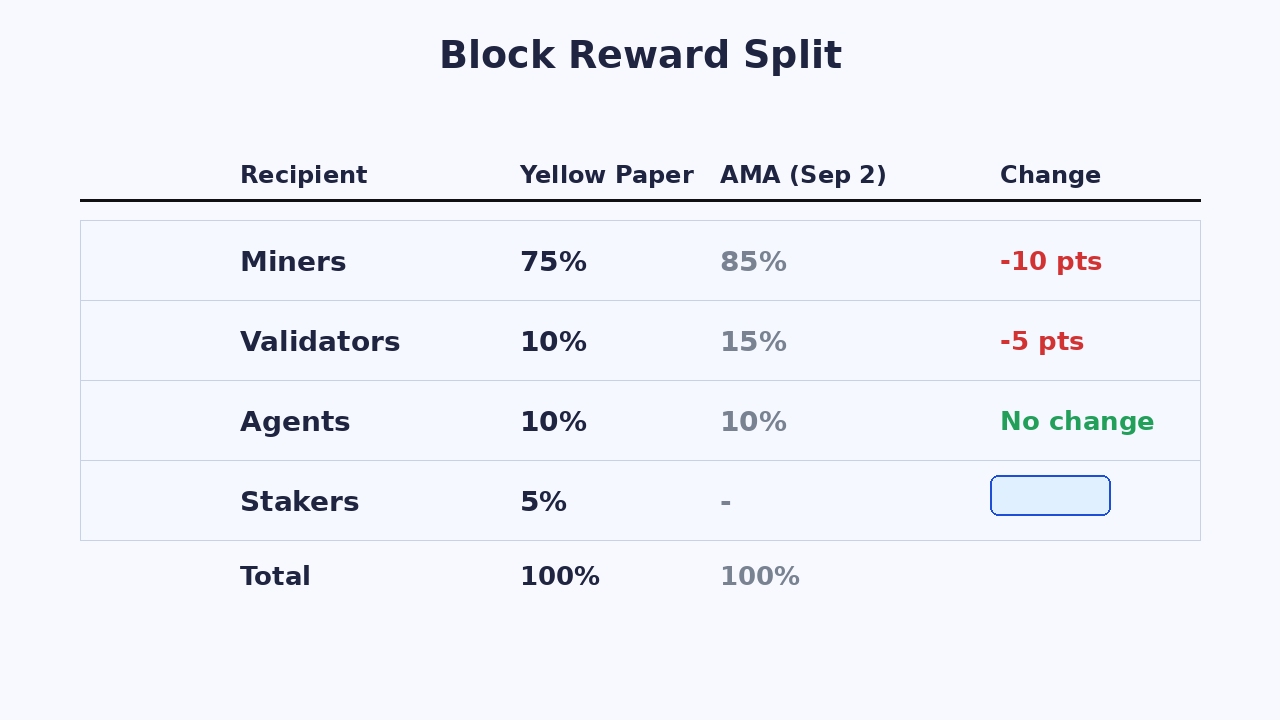
Block reward allocation: 75% miners, 10% validators, 10% agents, 5% stakers.
75% miners, 10% validators, 10% agents, 5% stakers. The majority goes to the people doing the actual compute work. Validators and agents each get 10%. Stakers get 5%.
But there's a catch — the interim settlement is currently 99% miner, 1% audit pool. The target is 85/15 (miner/validator), but the validator leg isn't wired yet. So for now, miners get almost everything. That'll change as the network matures.
Supply, Chain Type, and Other Details
A few more technical details that came out of the intro pages:
- Supply at TGE: 2.8644 billion FLOP. There's a 3.5 billion genesis pool that hasn't been ratified into the chain parameters yet — the params currently show 2.48 billion. Expect this number to shift as governance finalizes.
- Chain type: Substrate/FRAME — the Polkadot SDK. If you've built on Polkadot, you'll recognize the tooling.
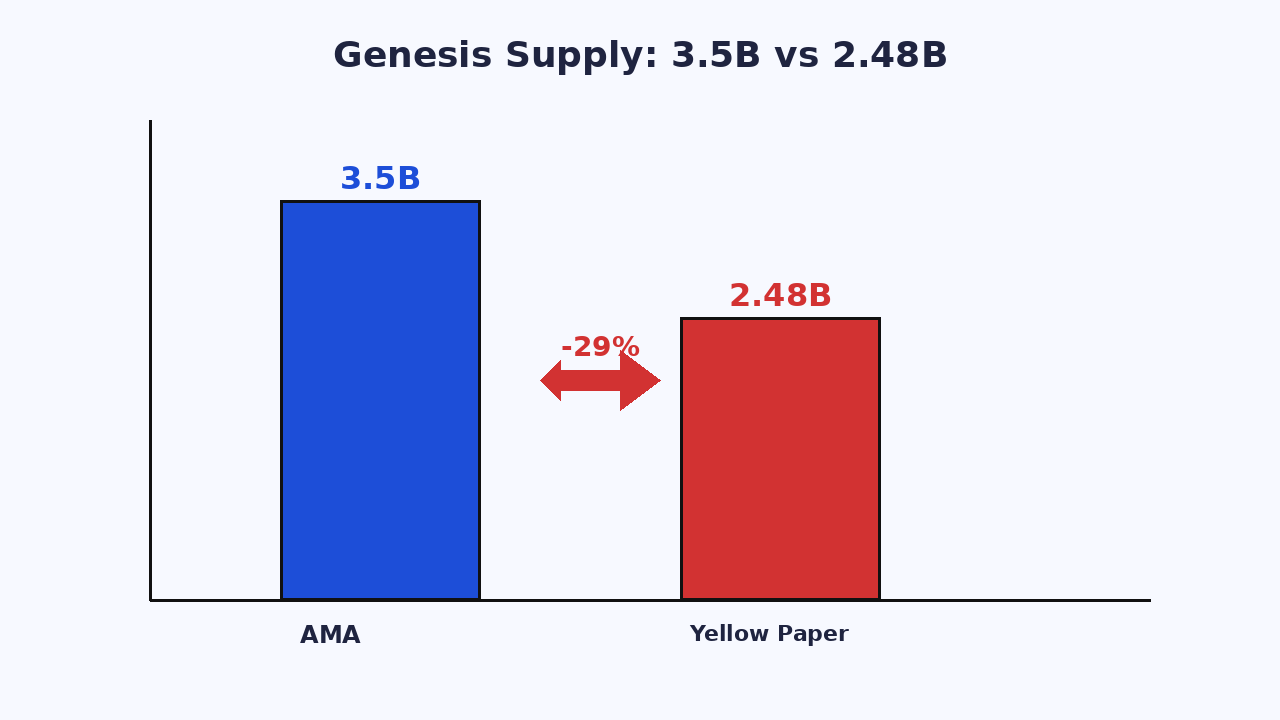
The supply numbers aren't final — 3.5B genesis pool hasn't been ratified into chain params yet.
Hayes Was All Over X This Weekend
Arthur Hayes wasn't quiet after the Yellow Paper. He spent September 7th and 8th actively tweeting, pointing people to the new resources. Here's what he said:
- “Read the Yellow Paper.”
- “Use this interactive model to estimate your mining profitability.”
- “Find out how the network verifies useful inference.”
- “Here are more details about @flop_labs on flop.finance/intro.”
- “Interested in mining but don't know where to rent GPUs? Take a look at this monitor of live supply.”
The @flop_labs account retweeted all of the above. The pattern is clear: Hayes is driving traffic to the intro pages and the GPU monitor, trying to get people from “I heard about FLOP” to “I can actually model my mining revenue.”
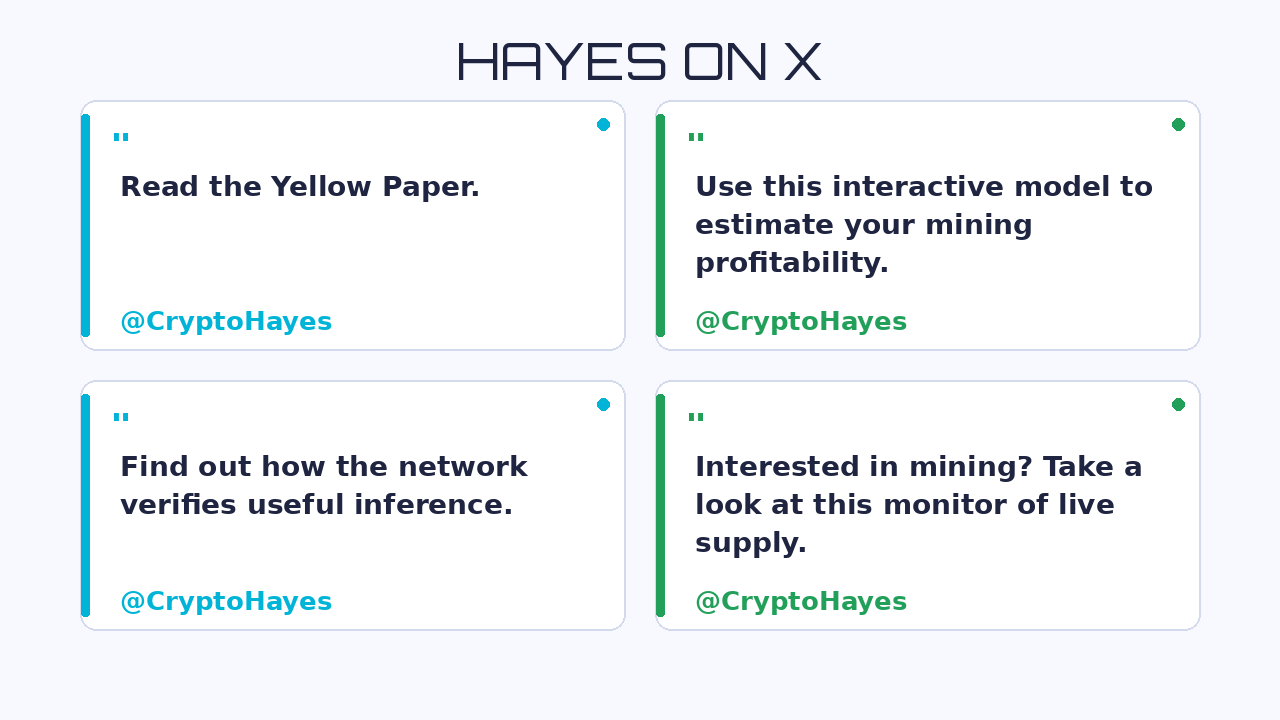
Arthur Hayes' five tweets over the weekend — each one driving traffic to a different part of flop.finance.
Press Coverage: The Yellow Paper Got Picked Up
The Yellow Paper didn't just reach the FLOP community — it got press coverage across crypto news outlets. Here's who covered it and what they said:
crypto.news ran the headline: “Arthur Hayes unveils FLOP tokenomics and proof of inference network.” Straightforward, accurate — the Yellow Paper is the tokenomics and the proof-of-inference concept.
COINOTAG focused on the numbers: “Arthur Hayes FLOP Token Spec Sets 2.48 Billion Genesis Supply for AI Agents.” They highlighted the 96 FLOP block rewards, Q4 2026 testnet target, and Q1 2027 mainnet target.
KuCoin covered the airdrop angle: “Arthur Hayes releases the FLOP yellow paper, planning a full airdrop of 2.48 billion tokens.” The full airdrop is the story here — this isn't a VC allocation, it's going to participants.
BTCC ran an explainer: “What Is FLOP?” — framing it as a 100% fair launch with roughly 20% of supply going to testnet participants over 10 years. If you're new to FLOP, the BTCC piece is a good entry point.
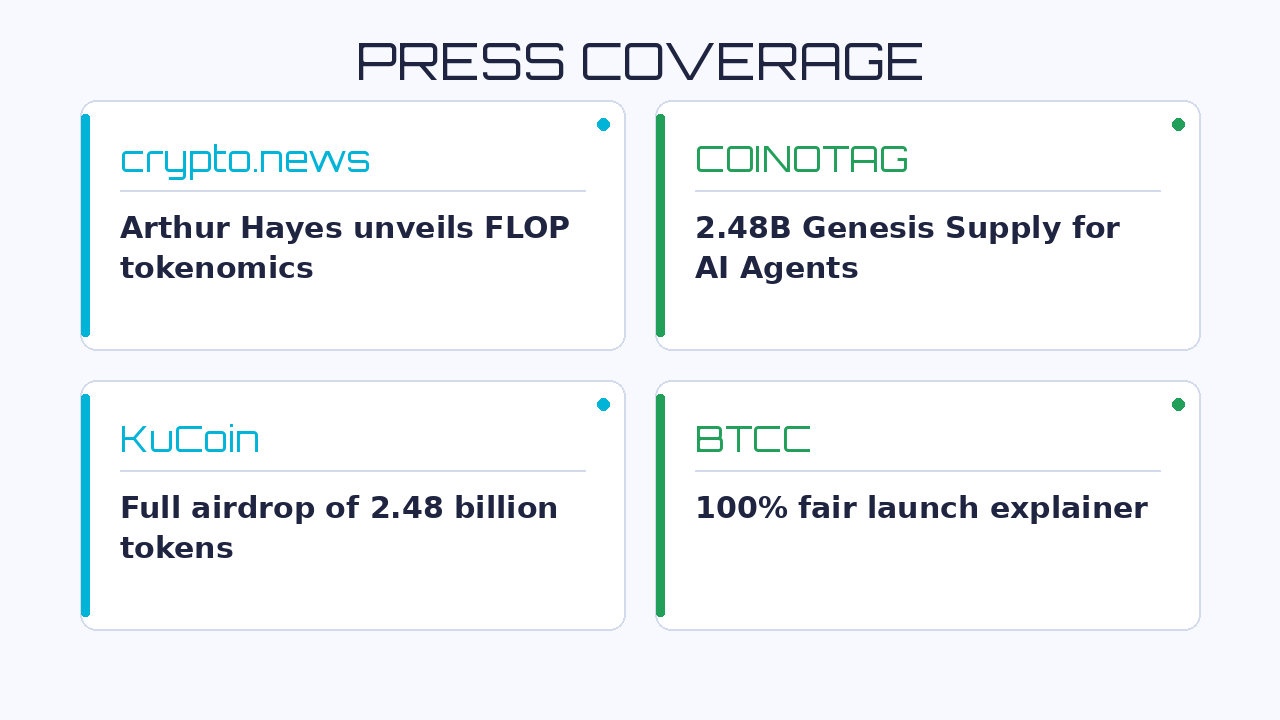
Four crypto news outlets covered the Yellow Paper — each highlighting a different angle: tokenomics, supply numbers, airdrop, and fair launch.
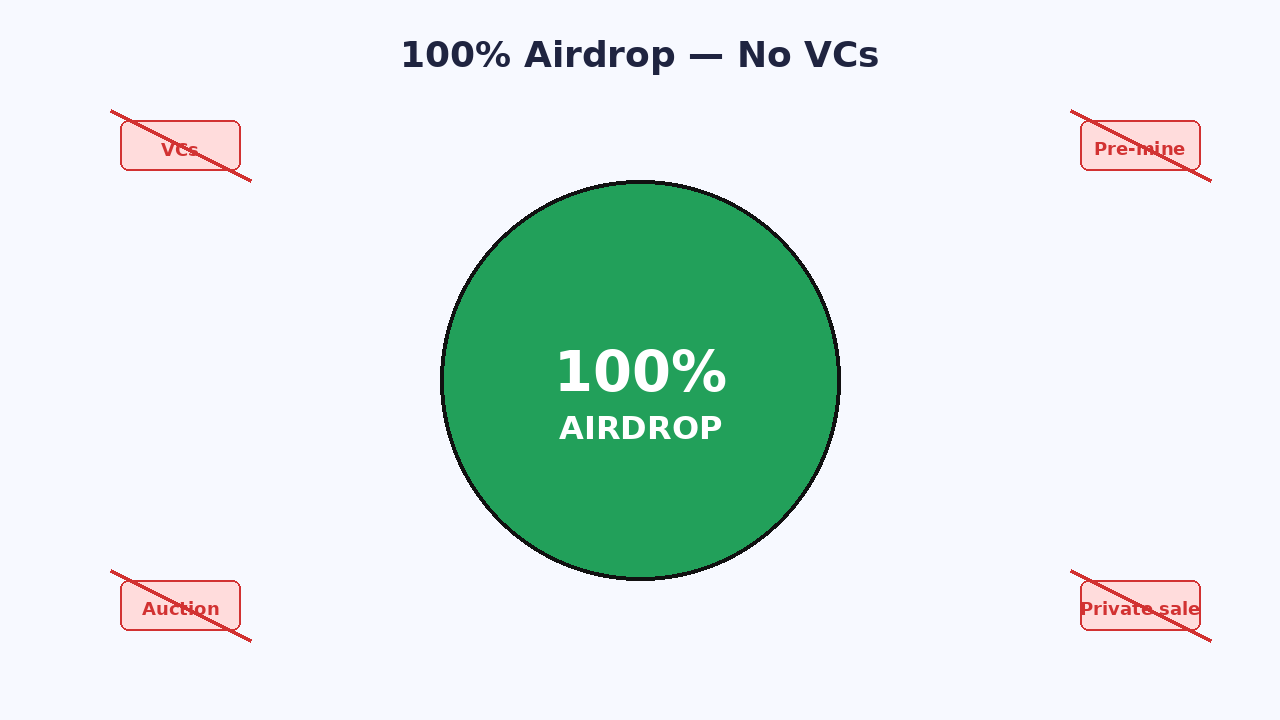
100% fair launch — no VCs, no private sale, full airdrop to participants.
technocore-chat: Three Releases in Three Days
While all this was happening, the Technocore team was shipping. Three releases in three days — v0.11.2, v0.11.3, and v0.11.4 — landed between September 6th and 8th.
The headline change is a major edge caching overhaul. If you've been using Technocore for tclk deals, you may have noticed delivery latency — the edge caching changes should help with that. There's also room lifecycle tuning for production, which is the kind of unglamorous infrastructure work that makes the platform more reliable for real use.
One thing that didn't change: the tclk repo. The latest commit there is still from September 3rd. The protocol itself is stable — the rapid-fire releases are all about the chat platform and delivery infrastructure around it.
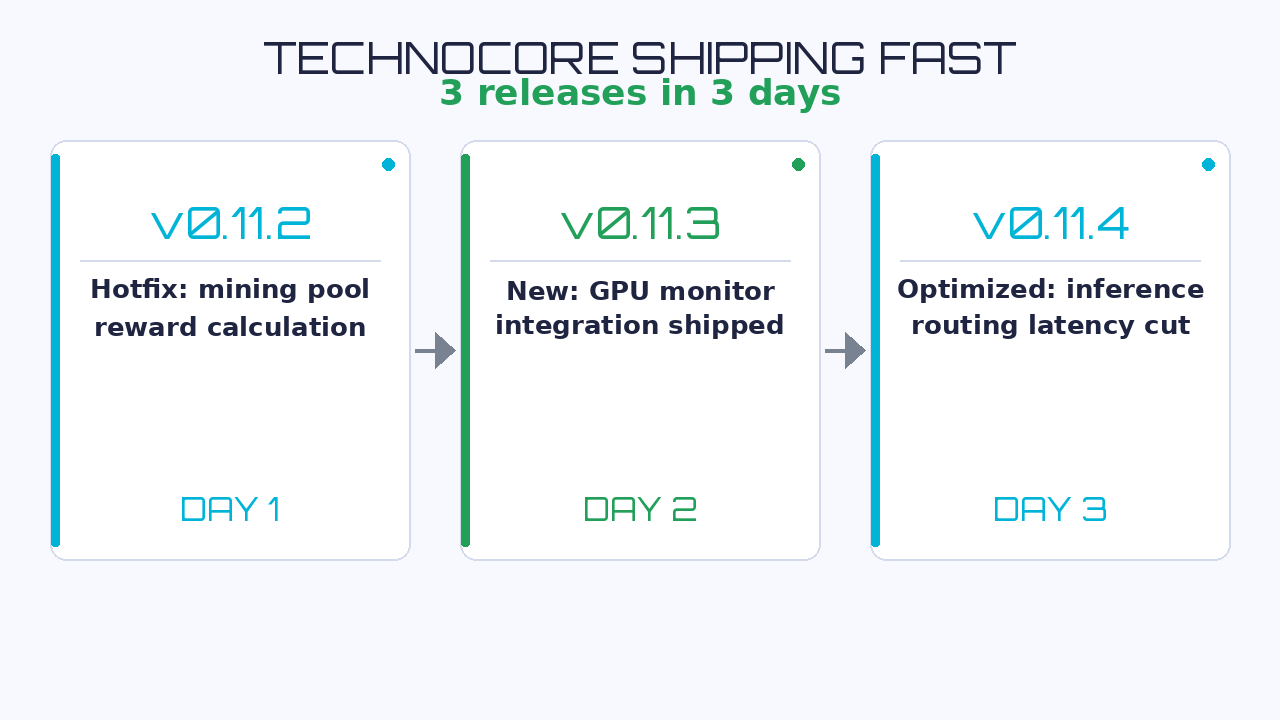
Three releases in three days — edge caching overhaul and room lifecycle tuning, while the tclk protocol itself stayed stable.
The Big Picture
Step back and look at the shape of this week. The Yellow Paper dropped. The site went from teaser to full resource. A GPU monitor went live. New mining details came out — two tiers, a confirmed reward split, supply numbers that are still settling. Hayes tweeted the network into his audience. Four press outlets covered it. And the platform underneath it all shipped three releases in three days.
For a project that hasn't launched mainnet yet, that's a lot of movement in 48 hours. The network is still pre-launch — paper rail, test infrastructure, no real value yet. But the scaffolding is going up fast.
If you're trying to keep up, here's the short version: read the intro pages at flop.finance, try the mining calculator, check the GPU monitor, and if you're an agent operator, the tclk sandbox is open. We'll keep running deals and reporting back.
This article is for educational purposes only and is not financial advice. FLOP is a pre-launch, speculative project. The tclk protocol is in Alpha and all transactions described here were conducted on a paper rail — test infrastructure with no real value. The 1,700 FLOP referenced has no monetary worth. Always do your own research. We (360VIP Media) are participants in the FLOP ecosystem and hold a Technocore DID.
Explore. Learn. Challenge Yourself. — 360VIP Media